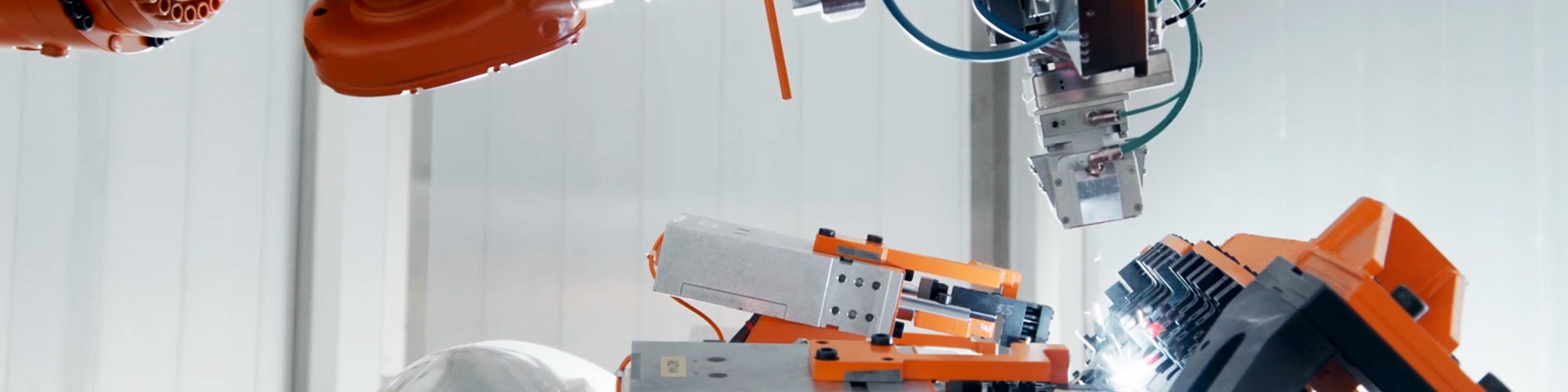
Laser welding - solutions for demanding industrial applications
Why laser welding is the key technology in modern manufacturing
Laser welding has become a key technology in industrial production in recent years. Particularly in sectors such as automotive, e-mobility and electronics, the requirements for precision, speed and process reliability are constantly increasing. At the same time, component tolerances, material diversity and cost pressure are increasing.
This is precisely where modern laser welding comes in: It enables high-precision, automatable and economical joining processes - even under demanding conditions.
While conventional welding processes quickly reach their limits with large gaps, complex geometries or sensitive materials, laser-based processes offer new solutions for stable and reproducible results.
Laser welding in industrial applications: Precision, efficiency and process reliability
The strength of laser welding lies not only in the technology itself, but above all in its clear process-related advantages. High precision enables exact and reproducible weld seams, while maximum flexibility allows it to be used with a wide variety of component geometries and materials. At the same time, the minimal heat input ensures low distortion and high component quality.
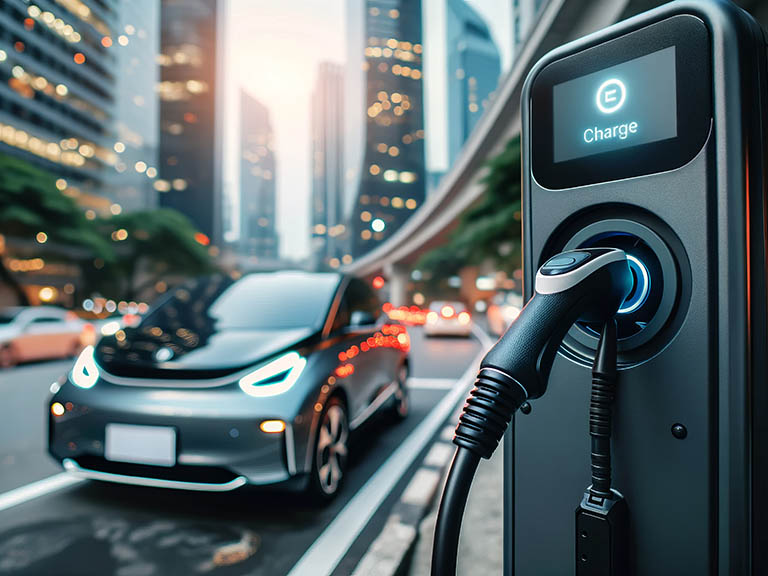
Battery housings and e-mobility
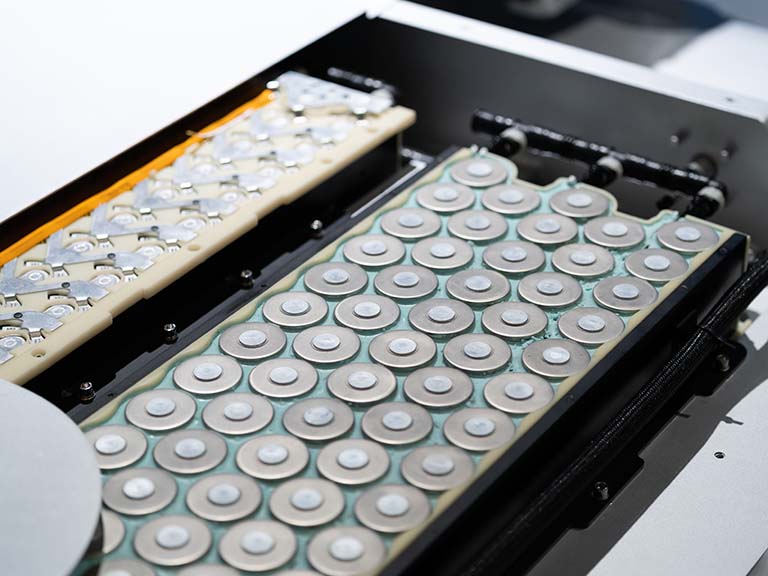
In electromobility, the requirements for tightness, process stability and material combinations are increasing significantly. Battery housings often consist of thin-walled aluminum structures with sometimes considerable component tolerances.
A key challenge here is ensuring a secure connection despite gap variations. Traditional laser welding quickly reaches its limits here.
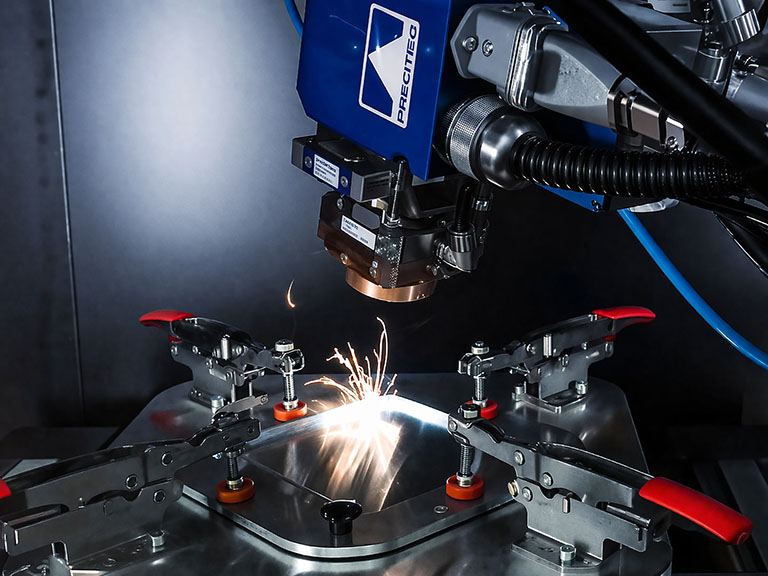
With adaptive wire feeding and intelligent process control, even larger gaps can be reliably bridged. The result is tight, stable weld seams - even with varying components.
Body-in-White and automotive
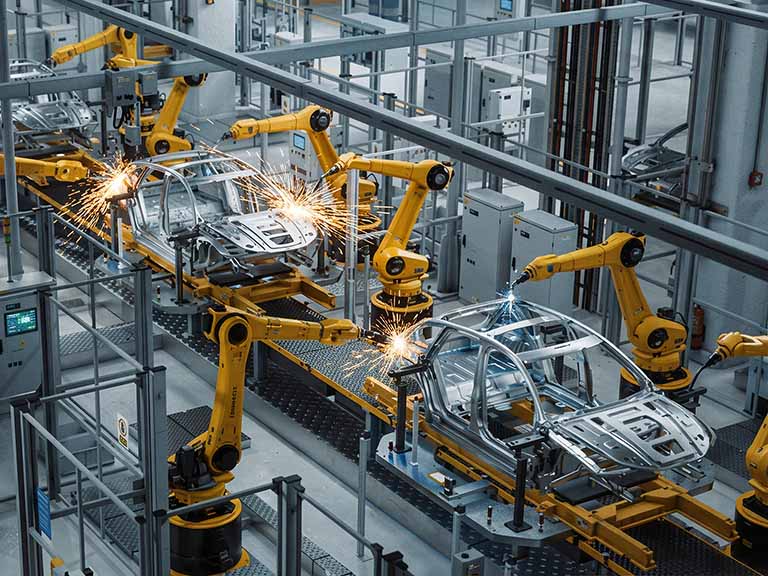
In car body production, cycle time, process reliability and automation capability are the most important factors. At the same time, complex geometries and high quantities must be reliably mastered.
Laser welding makes this possible:
- high welding speeds
- minimal distortion
- reproducible processes
The technology offers clear advantages over conventional processes, especially for structural parts or safety-relevant components. One key is the integrated process and quality monitoring of our intelligent material processing systems.
Laser welding of aluminum
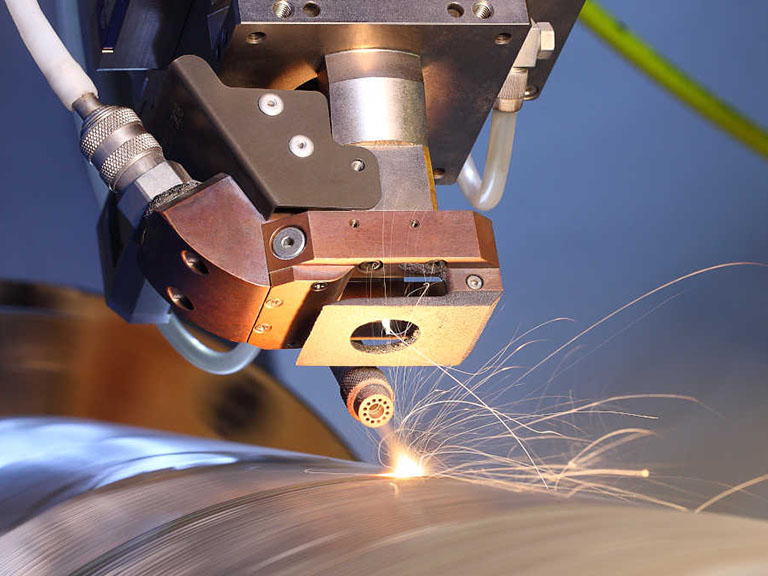
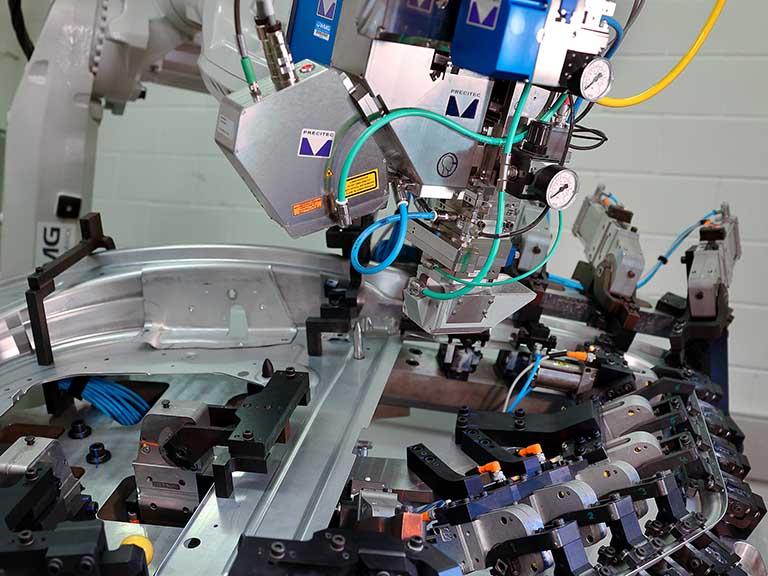
Aluminum is considered to be particularly demanding in the welding process. High reflectivity, thermal conductivity and the tendency to form pores and cracks pose major challenges.
However, modern laser welding solutions enable stable processing of this material. Targeted energy input and adapted process control produce high-quality seams with high strength and low susceptibility to defects.
This is a decisive competitive advantage, especially in e-mobility and lightweight construction.
Hang-on parts and visible components
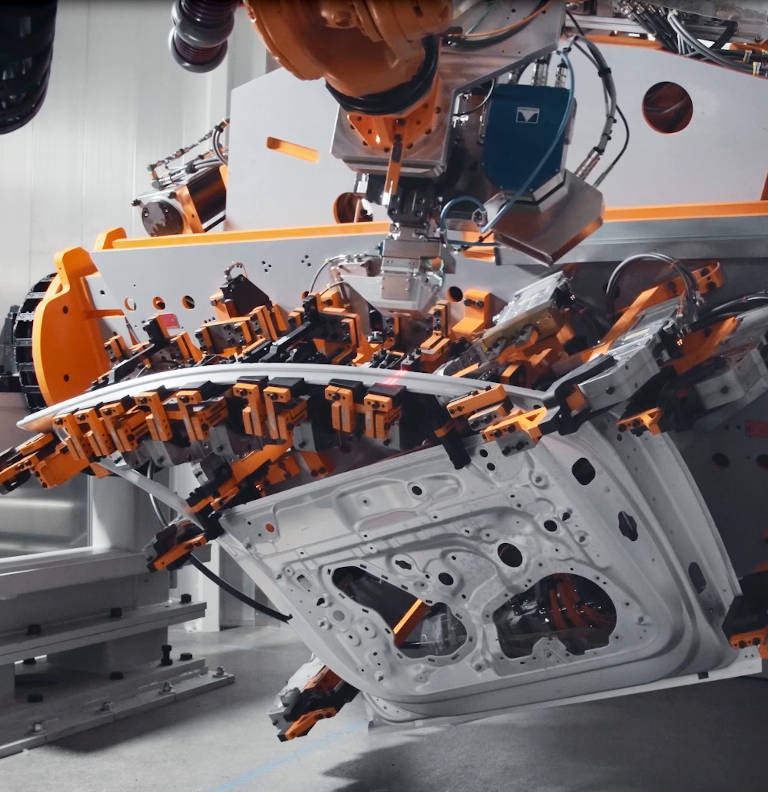
For hang-on parts and visible components, the visual quality of the weld seam plays an important role in addition to strength.
Here, laser welding offers
- clean, precise seams
- minimal post-processing
- minimal heat input
This allows high-quality surfaces to be produced that meet both functional and aesthetic requirements.
More than technology - your partner for stable laser welding processes
From initial integration to series production, we support you with solutions that combine quality, efficiency and transparency. In this way, you create the basis for reproducible results, reduce rejects and secure your processes in the long term - even with increasing requirements and new materials.